

Clean-in-Place Optimization in Flavors and Fragrances Manufacturing
.webp)

.svg)
Why Flavors & Fragrances Plants Are Overcleaning and What It Costs Them
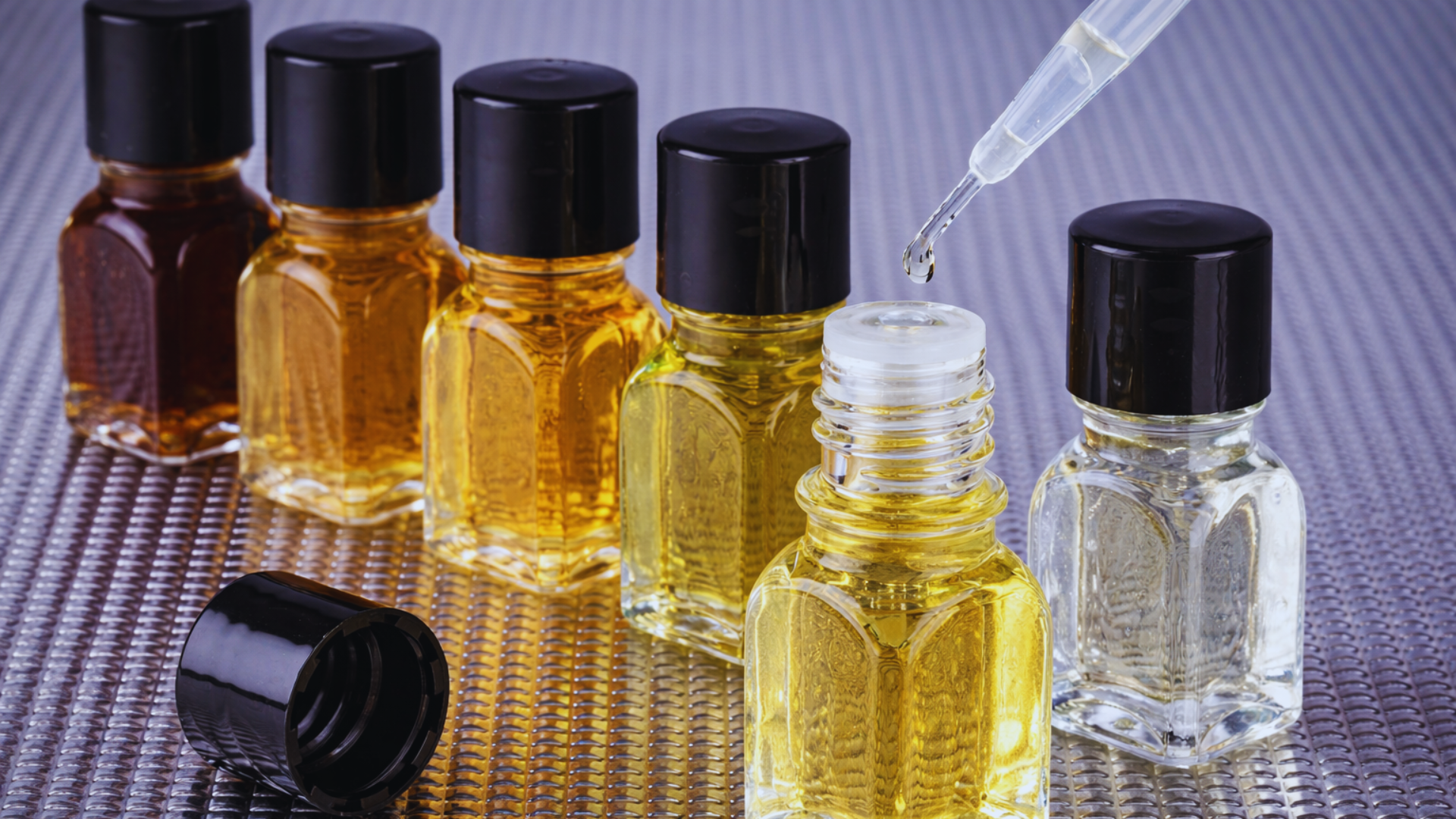
The flavors and fragrances industry is on track to hit $57 billion by 2033; largely driven by changing consumer demand for more specialized products. The manufacturers taking on that SKU growth run some of the most complex batch manufacturing environments in the world: switching between hundreds to thousands of SKUs a week, managing strict quality requirements, and operating spray dryers and blending systems that run at capacity nearly every day.
And yet one of the biggest drags on production in flavors and fragrances manufacturing is something most facilities haven't seriously iterated on in decades: Clean-In-Place.
Timer-based CIP has been the standard for so long that most food and beverage facilities don't think of it as something that can be reimagined. Quality teams set the timers years ago, validated the process, and everyone moved on. But those same cleaning cycles are now quietly eating into capacity, water budgets, and chemical costs in ways that never show up as a failure, just as an operating cost that gets absorbed and forgotten.
The challenge is that these systems are so deeply embedded in manufacturing operations — validated, documented, integrated into production schedules — that most facilities find themselves in an uncomfortable position: they know CIP is slowing them down, but overhauling a process that has been running the same way for decades feels like a much bigger undertaking than the problem it solves. So, the timers stay, and the risk-averse overcleaning continues.
Why CIP Recipes in Flavors and Fragrances Go Decades Without Review
Walk into most flavors and fragrances facilities and ask when their CIP recipes were last reviewed. You'll usually hear some version of: a long time ago, by people who don't work here anymore. And the context behind why those timers were set the way they were disappears as industry vets retire and manufacturing expertise walks out the door.
Timer-based CIP recipes are built for the worst-case scenario, but most cleans do not require the worst case setting. The line is clean well before the timer runs out. This extra time intended to be a quality guardrail results in wasted uptime, water, chemicals, and product.
In some facilities, those timers haven't been meaningfully revisited in 30 or 40 years — not because nobody monitored the recipes, but because nothing was visibly going wrong.
Process engineers know their CIP recipes are outdated, but proactive solutions continue to get put on the backburner. Reworking a validated CIP process introduces risk by adjusting something that already works. As long as cleaning passes validation, the inefficiency gets absorbed into the cost of running the facility. However, for plant teams managing hundreds of SKUs every day, dismissing CIP inefficiencies is no longer viable and end up creating long-term production capacity problems.
Why CIP Overcleaning Is the Default
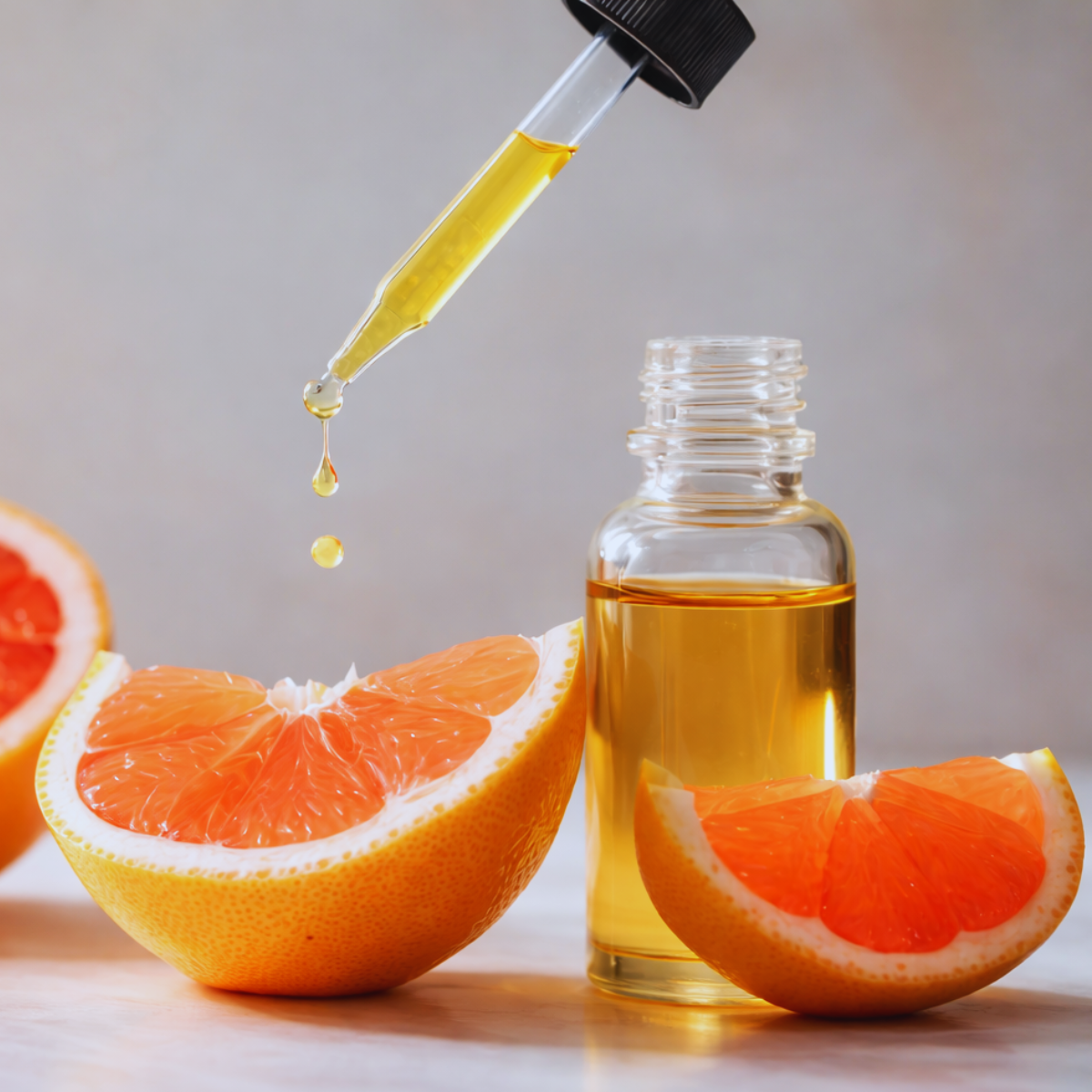
There's a real reason flavors and fragrances manufacturers clean conservatively. A trace of garlic in a citrus batch can take out an entire production run. Flavor carryover in F&F industry isn't a minor quality note — it can create allergen issues and carry regulatory consequences.
So quality teams build in margin and clean longer than strictly necessary. That's a rational call. The problem is these added margins compound over time into cycles that are significantly longer than the actual task requires.
What flavor and aroma carryover means for a Flavors and Fragrances production run
Extended Clean-In-Place cycles in flavors and fragrances can run five to seven hours for the most potent residues. Even routine cycles across multiple kitchens and spray dryers add up to a substantial share of available production time.
The overcleaning isn't waste in the traditional sense — nothing is going wrong, nothing is failing — but it represents a real and recurring cost in wasted production time, water, chemicals, and energy that simply doesn't show up anywhere as a line item.

Why Clean-In-Place is a Production Capacity Problem in Flavors and Fragrances
How the Clean-In-Place Visibility Gap Is Widening
Almost every flavors and fragrances facility is running at or near capacity. When spray dryers and blending systems are offline for cleaning, the line is not making product. As AI automation, and real-time data reshape food and beverage manufacturing, the gap between facilities that have visibility into their processes and those running on decades-old timers is only getting wider.
Why reducing Clean-In-Place cycle time enables more Flavors and Fragrances output
We speak with process engineers regularly, often asking if faster CIP cycle times would unlock more production. Particularly for flavors and fragrances manufacturers, the answer is always yes. Any time recouped from CIP cycles directly translates into more production, which is direct additional revenue for the plant.
Facilities running 10 or more CIP cycles in a single six-hour window across multiple CIP systems experience the constraint directly: getting through peak production periods requires cleaning to happen as fast as it safely can. Any time recovered from a cleaning cycle is time that can go straight back into output.
Water and chemical savings matter too, particularly as sustainability commitments become more concrete. Flavors and fragrances manufacturers face pressure to produce more sustainably — not just formulate more sustainably. CIP is one of the largest drivers of water and chemical consumption in any flavors and fragrances facility, and reducing cycle length is one of the more immediately available process improvement paths to hit sustainability targets without changing anything about how the product is made.
How Flavors and Fragrances Manufacturers Can Improve Clean-In-Place Without Uprooting Their Existing Systems
The good news is that fixing this doesn't require a production line overhaul. The reason most flavors and fragrances manufacturers leave their CIP timers alone for decades is that changing a validated process feels like a bigger risk than the problem it solves.
Laminar’s self-driving clean-in-place optimization is built specifically around that constraint — giving facilities the real-time visibility to know when cleaning is actually done, without touching the systems, recipes, or quality frameworks already in place.
How inline spectroscopy sensors work alongside your existing CIP skid
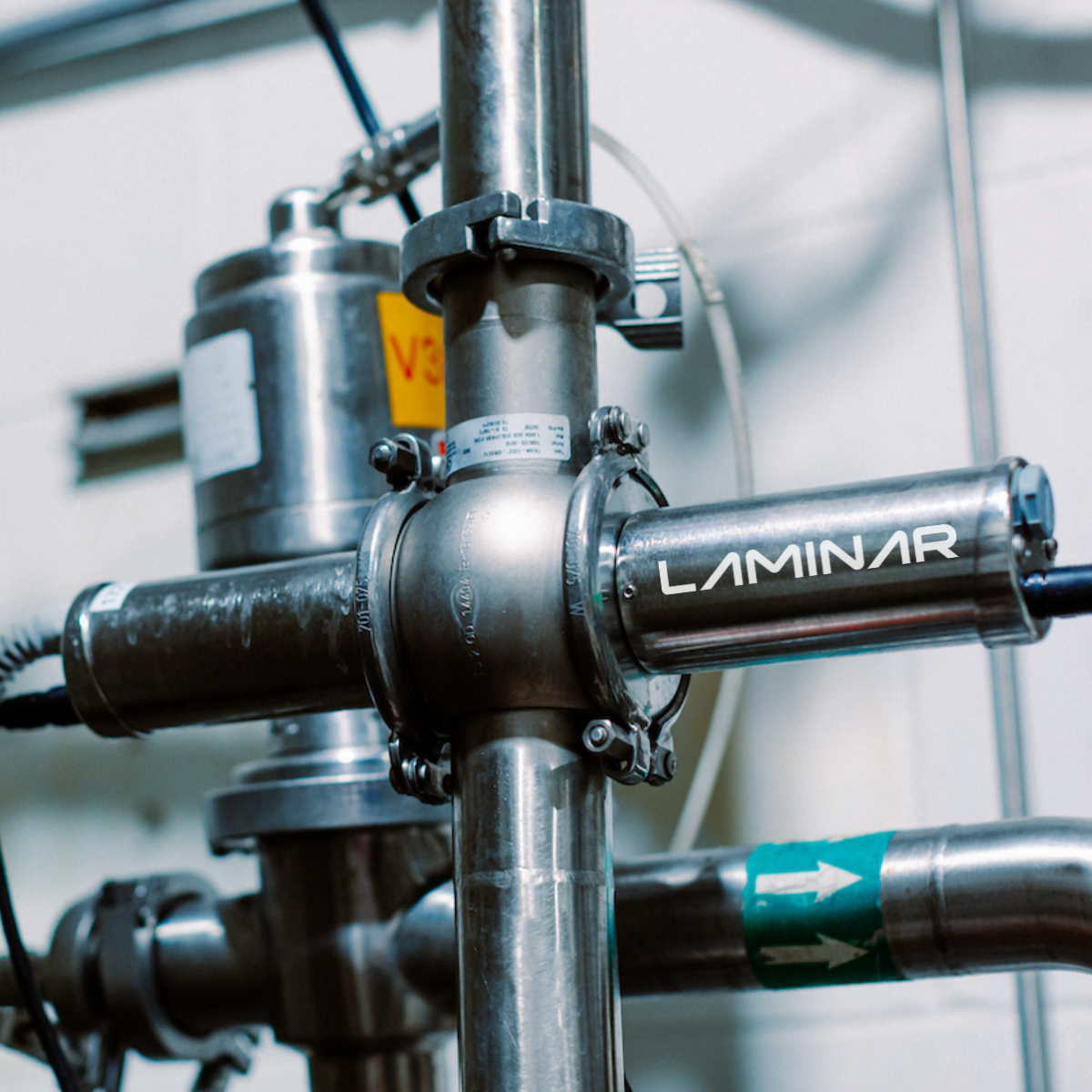
Laminar works with flavors and fragrances manufacturers who want to stop running Clean-In-Place on fixed timers without replacing existing systems or revalidating everything from scratch. Inline spectroscopy sensors clamp onto existing production lines on the supply and return sides of a CIP circuit and continuously capture spectral fingerprint data for every fluid passing through in real time.
That data feeds directly into ML models that learn specific line processes, adapt to the unique facility conditions, and convert what the sensors see into decisions — telling the PLC to step advance at the precise moment the line is actually clean. Nothing about the existing plumbing, chemistry, or PLC logic needs to change.
How Laminar's CIP validation process works within Flavors and Fragrances quality frameworks
Laminar’s validation process works inside existing quality frameworks. Quality teams run Laminar alongside their current protocols, validate cycle by cycle, and set the minimum thresholds — contact time, temperature, conductivity — that the ML model has to satisfy before it can recommend a step advance. The hardest compounds go first: high-intensity aromatics, allergen-sensitive products.
Self-optimizing automation only starts taking action once the quality team signs off on the validity of the ML recommendations— and if the system ever falls outside expected parameters, it reverts automatically to the existing timer-based recipe.
Self-driving CIP optimization results across Flavors and Fragrances manufacturing deployments
Across flavors and fragrances deployments, Laminar consistently delivers 15% time savings, 22% water reduction, and 20% reduction in chemical usage. For sites running at capacity, the time savings alone pay back the investment within one to two years.
Frequently Asked Questions
Why do flavors and fragrances manufacturers overclean during clean-in-place (CIP)?
Most flavors and fragrances facilities run timer-based CIP recipes that were built for worst-case cleaning scenarios and applied universally to every cycle. Without real-time visibility into what's actually in the pipe, quality teams default to cleaning longer than necessary to prevent flavor carryover, allergen cross-contamination, and batch rejection — costs that far outweigh the expense of running an extra 15 minutes of caustic.
How does Clean-in-Place (CIP) downtime affect production capacity in flavors and fragrances manufacturing?
In flavors and fragrances manufacturing, spray dryers and blending systems run at or near capacity, meaning every hour spent in CIP is an hour not spent producing. Facilities running 10 or more clean-in-place cycles in a single shift feel this constraint directly — reducing average cycle time by even 15% can translate into meaningful additional production runs per day across multiple CIP systems. Technologies such as Laminar’s ML-powered sensors allow operators to have real-time visibility into the clean conditions for each run, shortening CIP cycles and saving utilities.
Can flavors and fragrances manufacturers optimize Clean-in-Place (CIP) without replacing their existing systems?
Yes. Inline ML-powered spectroscopy sensors can be installed onto existing production lines without changes to plumbing, chemistry, or PLC logic. ML models learn what clean looks like for each specific facility and SKU, and self-driving optimization only goes live once the quality team has validated the results against their own standards — meaning manufacturers gain real-time visibility and optimized cycle times without revalidating their entire process from scratch.
Related Blog Posts
Clean in Place (CIP): The Complete Guide
On The Line Ep. 4: Co-Manufacturing in F&B


